Elizabeth Barrett Browning was a great influence on Emily Dickinson. Not, of course, in language or style but more in temperament. Certainly the wordiness of Barret Browning bears little in common with the spareness of a typical Dickinson poem.
It is easy to see why Dickinson would have gravitated to Barret Browning. Her playfulness of language that Chesterton described as an “Elizabethan audacity and luxuriance,” her lively and intelligent energy, and her love of puns and extended metaphors, all would have appealed to Dickinson.
I first read Barrett Browning and her husband Robert when I took a Victorian Literature class in college. It was, as I have written elsewhere on this blog, not the time of life or time in history to fully appreciate Victorian writers. It was the late 1970s, as far removed from the Victorian period as we will probably ever be.
“The Poet and the Bird” is by no means one of her greatest works. But it is a fine poem. The idea of the essential relationship between the artist and the world is not a new one either, but idea is well developed. It is a poem I cannot help but like.
Enjoy!
The Poet and the Bird
Said a people to a poet—” Go out from among us straightway!
While we are thinking earthly things, thou singest of divine.
There’s a little fair brown nightingale, who, sitting in the gateways
Makes fitter music to our ears than any song of thine!”
The poet went out weeping—the nightingale ceased chanting;
“Now, wherefore, O thou nightingale, is all thy sweetness done?”
I cannot sing my earthly things, the heavenly poet wanting,
Whose highest harmony includes the lowest under sun.”
The poet went out weeping,—and died abroad, bereft there—
The bird flew to his grave and died, amid a thousand wails:—
And, when I last came by the place, I swear the music left there
Was only of the poet’s song, and not the nightingale’s.
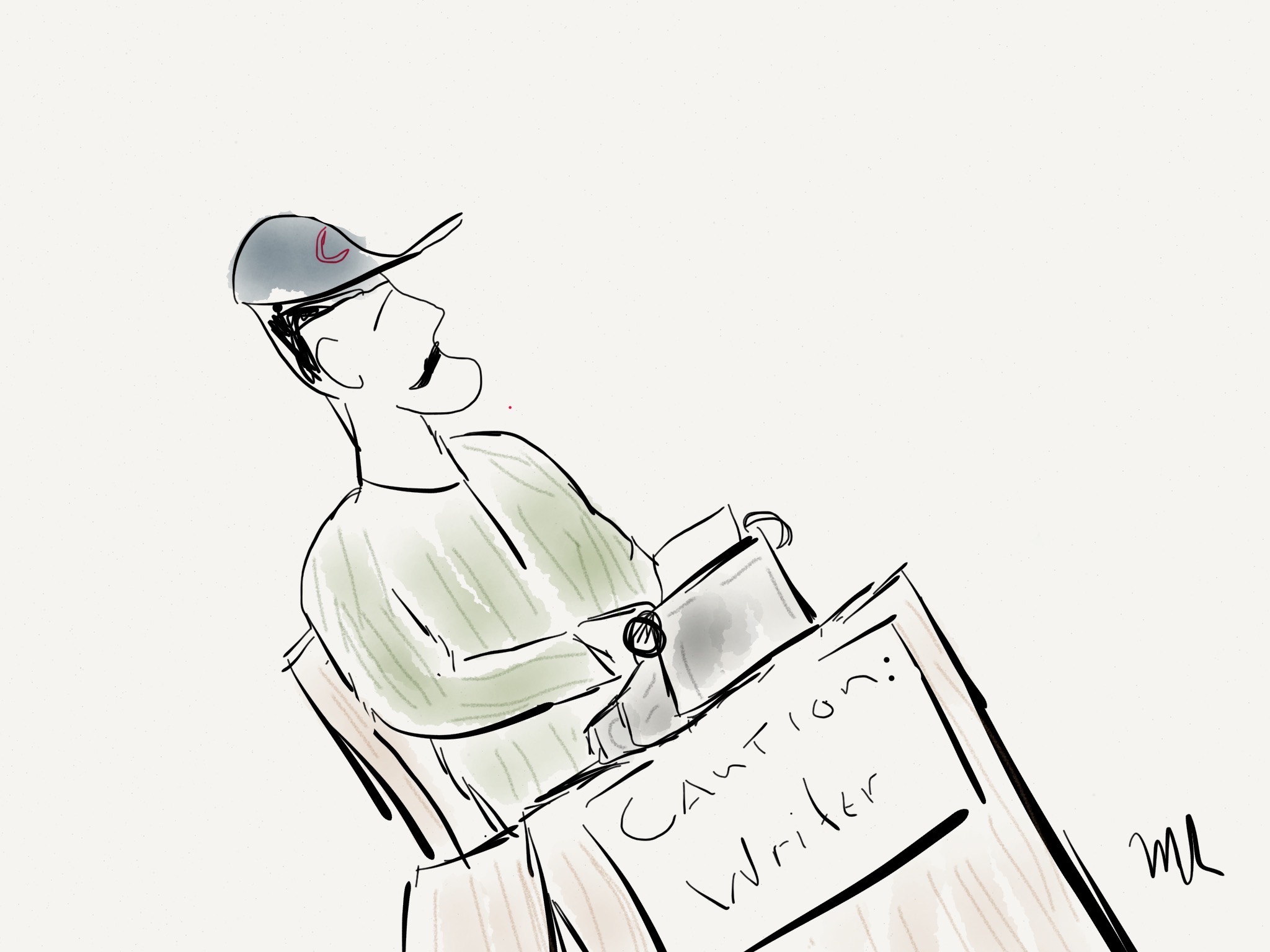
Listening with a pencil and my ear, these are the lines I marked:
While we are thinking earthly things, thou singest of divine.
Poetry is by definition anti-Capitalism. It serves no useful purpose. It is a distraction from making money, building wealth, from the “important business of the world.” That is why the ruling class wants to eliminate things like the English Major.
In a material world, Poetry (capital “P”) and Art (capital “A”) will always be judged as a distraction. And yet, as Browning makes clear here, in the end, they are the most important human endeavors of all. And the most permanent.
 ClimbingSky
Leave a comment